
Lifestyle
Nahttypen: Choosing the Right Seam Type for Your Fabric

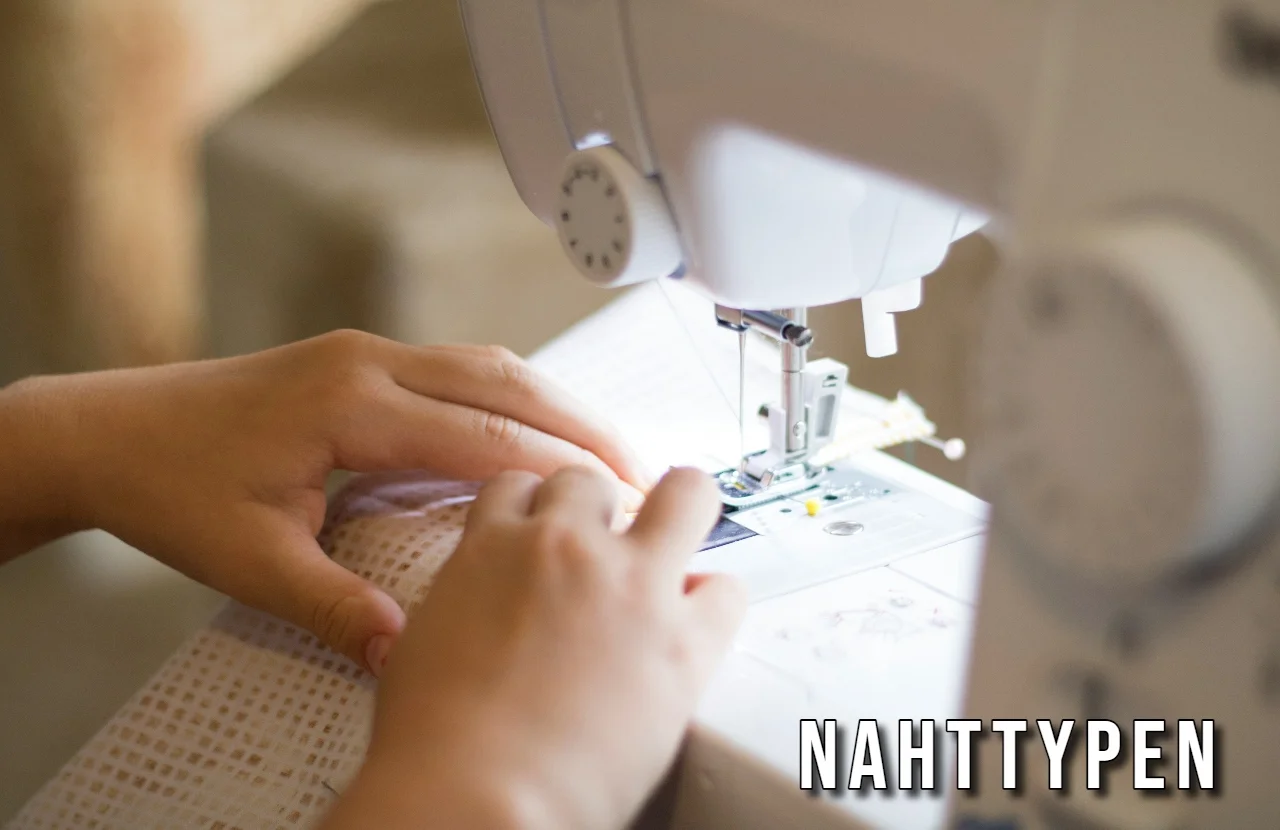
When it comes to sewing, the type of seam you choose can make or break your project. It’s not just about stitching fabric together; it’s about durability, aesthetics, and functionality. Enter “nahttypen,” a term that encapsulates the various seam types available for every kind of fabric imaginable. Whether you’re a seasoned seamstress or just starting out, understanding these different nahttypen will empower you to elevate your creations.
From delicate lace blouses to rugged denim jeans, each fabric has its unique requirements when it comes to seams. Selecting the right one ensures that your garments not only look great but also stand the test of time in wear and tear. Ready to dive into the fascinating world of nahttypen? Let’s explore how choosing the right seam can transform your sewing experience!
What is Nahttypen?
Nahttypen, or seam types in English, refer to the various methods used to stitch fabric pieces together. Each type serves a specific purpose and affects both the durability and appearance of the final product.
Understanding nahttypen is essential for any sewing enthusiast. It goes beyond merely connecting two fabrics; it contributes significantly to how garments fit and function.
Different fabrics call for different seam techniques due to their unique properties. Lightweight materials may require delicate seams, while heavier fabrics demand more robust stitching.
The choice of nahttypen can influence not only strength but also style. Some seams are designed to be hidden, while others are decorative elements that add flair.
Understanding Different Types of Seams
Seams are the backbone of any sewing project. They not only hold pieces together but also define the garment’s style and functionality.
There are several types of seams, each suited for different fabrics and purposes. The plain seam is one of the most common. It’s simple yet effective, ideal for basic stitching needs.
For added strength, consider using a French seam. This technique encloses raw edges, making it perfect for delicate fabrics like chiffon or silk.
A flat-felled seam provides durability and a clean finish. Often used in jeans and shirts, it withstands wear while looking polished.
Another popular option is the zigzag seam. This flexible stitch allows for stretch in knit fabrics, giving garments more movement without fraying edges.
Understanding these variations helps you choose what works best with your fabric type and desired outcome.
Factors to Consider When Choosing a Seam Type
Choosing the right seam type requires careful consideration of several factors. First, think about the fabric you’re using. Different materials have varying weights and stretch properties that can influence seam choice.
Next, consider the purpose of your project. Will it be subjected to stress or movement? For activewear, you might opt for a flatlock seam for added flexibility and comfort.
The aesthetic is also vital. Some seams are more visible than others, which impacts the final look of your garment. A French seam offers a clean finish but may not work well with thicker fabrics.
Don’t overlook ease of sewing either. Certain seams require specialized techniques or tools that could complicate your process if you’re a beginner.
Common Seam Types and Their Uses
When it comes to nahttypen, several common seam types serve different purposes in sewing projects.
The straight stitch is perhaps the most frequently used. It provides a strong and reliable seam for various fabrics, making it ideal for garments and home décor items.
For those needing extra durability, the French seam offers a neat finish that encloses raw edges. This technique works well on lightweight or sheer fabrics.
Another popular choice is the zigzag stitch. Often employed for stretch materials, it allows seams to flex without breaking—a perfect option for activewear.
Flat-felled seams are favored in denim work due to their strength and flat appearance. They hold up against wear while providing a clean look.
Overlock stitches are essential when finishing edges to prevent fraying; they create a professional finish on knit fabrics and more structured garments alike.
Tips for Sewing Different Seam Types
When sewing different seam types, preparation is key. Start by selecting the right thread and needle for your fabric. The weight of the fabric can affect stitch quality, so choose accordingly.
Before you begin sewing, practice on a scrap piece first. This helps you gauge tension settings and stitch length without risking your main project.
Pay attention to seam allowances too. Different seams may require varying widths, impacting fit and finish. Use pins or clips to secure layers before stitching; this keeps everything aligned as you sew.
Don’t be afraid to experiment with finishing techniques like zigzag stitches or serging. These can enhance durability while adding a professional touch to your work.
Troubleshooting Common Seam Issues
Seam issues can be frustrating, but they are often easy to fix with a little troubleshooting. One common problem is puckering. This typically occurs when the fabric is gathered too tightly during sewing. To remedy this, try loosening your tension settings and using a walking foot.
Another frequent challenge is fraying edges. If you notice this happening, consider finishing the seams with zigzag stitching or an overlocker for added protection against wear and tear.
Skipped stitches can also disrupt your project’s flow. Make sure your needle is suitable for the fabric type and that it’s sharp enough to handle multiple layers.
If you’re experiencing thread breakage, check for any tangles in your thread path or ensure that you’re using high-quality threads compatible with your machine’s specifications. Adjusting the bobbin tension might also help alleviate this issue.
Final Thoughts on Choosing the Right Seam Type for Your Fabric
Choosing the right seam type is essential for achieving a professional finish in your sewing projects. The fabric you select plays a crucial role in this decision. Consider how different seams interact with various materials. Some fabrics require more strength, while others call for flexibility. Experimentation can be enlightening. Test out seam types on scrap pieces of fabric before committing to your main project.
Pay attention to the final use of your garment or item as well. An everyday outfit may benefit from durability, while special occasion wear might prioritize aesthetics. Don’t forget about finishing techniques too! They can enhance the quality and longevity of your seams. Trust your instincts and enjoy the creative process as you explore various nahttypen that bring out the best in each piece you sew.
Conclusion
Choosing the right seam type, or nahttypen, can greatly influence not only the functionality of your project but also its overall aesthetic. Understanding the different types of seams available ensures that you select one that meets both practical needs and style preferences.
Whether you’re working with delicate fabrics or sturdy materials, knowing how each seam performs will guide your decision-making process. The factors to consider such as fabric weight, stretchability, and end use play a critical role in ensuring durability and appearance.
As you delve into sewing various seam types, remember that practice makes perfect. Don’t hesitate to troubleshoot common issues as they arise; every stitch teaches you something new about your craft.
By becoming familiar with these elements surrounding nahttypen, you’ll be better equipped to make informed choices for every fabric project. Enjoy experimenting with different seams as you enhance your skills in this rewarding hobby!
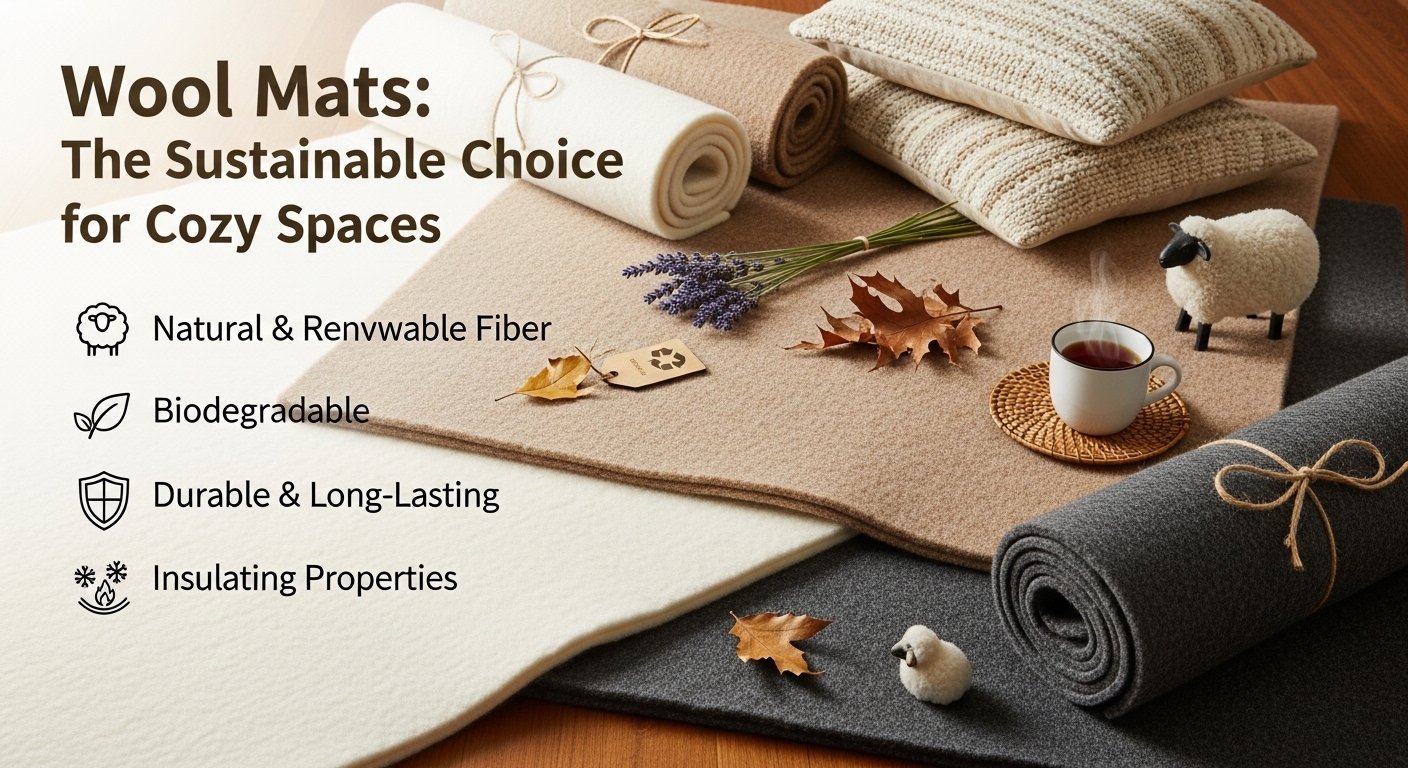
When it comes to creating cozy spaces in our homes, the materials we choose play a crucial role. Among the many options available, wollmatten stands out as not only a stylish choice but also an eco-friendly one. Imagine sinking your feet into soft, warm fibers that wrap you in comfort while knowing you’re making a positive impact on the environment. This blog post will take you on a journey through the world of wollmatten—exploring what they are, their benefits, and why they’re becoming increasingly popular among those who value sustainability without sacrificing style. Get ready to discover how these lovely wool mats can transform your living space into an inviting retreat!
What is Wollmatten?
Wollmatten are more than just simple floor coverings; they represent a blend of comfort and sustainability. Made primarily from natural wool, these mats bring warmth to any space while being eco-friendly.
The fibers used in wollmatten come from sheep, providing an organic alternative to synthetic materials. This not only enhances the cozy feel but also supports sustainable farming practices.
With various textures and colors available, wollmatten can seamlessly integrate into diverse interior designs. From rustic cabins to modern apartments, their versatility is unmatched.
Moreover, wool has inherent properties that make it resistant to dirt and stains. This quality means less frequent cleaning is needed compared to other materials, promoting longevity and reducing waste over time.
Choosing wollmatten isn’t just a style decision; it’s a step towards creating greener living spaces without compromising on comfort or aesthetics.
The Environmental Impact of Traditional Materials for Cozy Spaces
Traditional materials used for creating cozy spaces often come with a hefty environmental cost. Synthetic fibers, such as nylon and polyester, are derived from petroleum. Their production contributes to greenhouse gas emissions and relies on non-renewable resources.
Natural fibers like wool or cotton aren’t without their issues either. The farming practices can lead to deforestation and excessive water use. Pesticides used in cotton cultivation pose further risks to ecosystems and human health.
Moreover, the manufacturing processes of these traditional materials frequently involve harmful chemicals that pollute our waterways. Once these products reach the end of their life cycle, they often contribute to landfill waste due to poor biodegradability.
As we seek comfort in our homes, it’s crucial to consider how our choices affect the planet. Embracing sustainable options can help mitigate some of these impacts while still providing warmth and style.
Benefits of Choosing Wollmatten
Choosing wollmatten brings a wealth of benefits that enhance both comfort and sustainability in your living spaces. These mats are naturally warm, making them perfect for cozy environments. You’ll appreciate how they retain heat, keeping your feet toasty during colder months.
Wollmatten is also incredibly durable. With proper care, these rugs can last for years without losing their charm or functionality. This longevity translates into fewer replacements, which is better for the planet.
Additionally, wool has natural moisture-wicking properties. It absorbs humidity while remaining dry to the touch. This makes wollmatten an excellent choice for maintaining air quality indoors.
The softness of wool adds a luxurious feel underfoot as well. Walking on a wollmatte feels like stepping onto clouds—an experience that elevates any room’s ambiance effortlessly. It’s not just about aesthetics; it’s about creating a sanctuary where you truly feel at home.
How Wollmatten is Sourced and Produced
Wollmatten are crafted from natural wool, a renewable resource known for its durability and comfort. Sourcing begins with responsible sheep farming practices, focusing on animal welfare and sustainable land management.
Farmers shear the sheep once a year, ensuring that the process is humane and minimally stressful for the animals. The raw wool is then cleaned and processed without harsh chemicals, preserving its natural properties.
Production involves skilled artisans who weave or tuft the wool into textured mats. This handmade approach not only supports local economies but also ensures quality craftsmanship in every piece.
The entire process emphasizes sustainability. By utilizing eco-friendly materials and methods, Wollmatten minimizes environmental impact while promoting an aesthetic appeal that fits seamlessly into any cozy space. Each mat tells a story of care—from farm to home—highlighting both beauty and ethics in design choices.
Design Options and Versatility of Wollmatten
Wollmatten offers a stunning array of design options that cater to diverse tastes and interior styles. From minimalist patterns to intricate designs, there’s something for everyone.
The versatility of these wool mats makes them perfect for various spaces. Whether it’s a cozy living room, a chic office, or even an inviting bedroom, wollmatten can elevate the ambiance effortlessly.
Color palettes range from earthy tones to vibrant hues. This adaptability allows homeowners to express their personal style while complementing existing decor.
Moreover, wollmatten can be customized in size and shape. This feature means you can find the ideal fit for any nook or cranny in your home.
With such flexibility in design and application, it’s easy to see why more people are choosing wollmatten as their go-to flooring solution.
Maintaining and Caring for Wollmatten Products
Caring for your wollmatten is essential to keep them looking great and feeling cozy. Regular vacuuming helps remove dirt and dust, preventing buildup that can wear down the fibers over time.
Spills happen, but don’t panic. Blot the area immediately with a clean cloth instead of rubbing it. This technique minimizes stains while preserving the wool’s natural texture.
Every so often, consider giving your mat a deeper clean. A gentle wash with mild soap and water will refresh its look without damaging it. Just be sure to dry it flat in a well-ventilated area; avoid direct sunlight to prevent fading.
Rotating your wollmatten regularly ensures even wear on all sides. This practice prolongs their life while maintaining their luxurious feel underfoot.
With proper care, these sustainable pieces can enhance your home for years to come, bringing warmth and style into every space they inhabit.
Alternatives to Wollmatten and their Environmental Impact
When considering alternatives to wollmatten, synthetic rugs often come to mind. These are made from petroleum-based materials, leading to significant environmental concerns. Their production releases harmful chemicals into the atmosphere and contributes to plastic pollution.
Natural fiber options like cotton or jute may seem better at first glance. However, the farming practices for these materials can be resource-intensive. Cotton cultivation demands large amounts of water and pesticides that harm local ecosystems.
Another choice is bamboo rugs, touted for their rapid growth cycle. Yet, many bamboo products undergo heavy processing with toxic chemicals that negate their eco-friendly reputation.
Each alternative carries its own set of challenges regarding sustainability and environmental impact. It’s essential to evaluate these factors when seeking a cozy space without compromising on ecological values.
The Importance of Sustainable Choices for Cozy Spaces
Sustainable choices in our living spaces can have a profound impact. Each decision contributes to the well-being of our planet and future generations.
Opting for eco-friendly products, like wollmatten, fosters a healthier environment. These materials reduce carbon footprints while enhancing the comfort of your home.
Cozy spaces should feel inviting but not at an ecological cost. Sustainable options reflect values that respect nature and promote responsible consumption.
As awareness grows about climate change, more people are making intentional choices. Investing in sustainable decor is part of this shift toward mindfulness.
Incorporating such elements can transform your living area into a sanctuary that aligns with both personal aesthetics and environmental consciousness. Emphasizing sustainability adds depth and meaning to what we surround ourselves with daily.
Conclusion
Choosing wollmatten for your living spaces offers numerous benefits that extend beyond mere comfort. These sustainable rugs not only add warmth and coziness to your home but also contribute positively to the environment. By opting for wollmatten, you support a production process that prioritizes eco-friendly practices and materials.
With a variety of design options available, these mats can complement any interior style while ensuring durability and longevity. The ease of maintenance further enhances their appeal, making them practical choices for busy households.
As we strive to make more conscious decisions about our purchases, selecting products like wollmatten plays an essential role in promoting sustainability in our everyday lives. Your choice matters; it shapes both your living space and the world around you. Embrace the comfort and responsibility that comes with choosing wollmatten as part of your cozy haven.
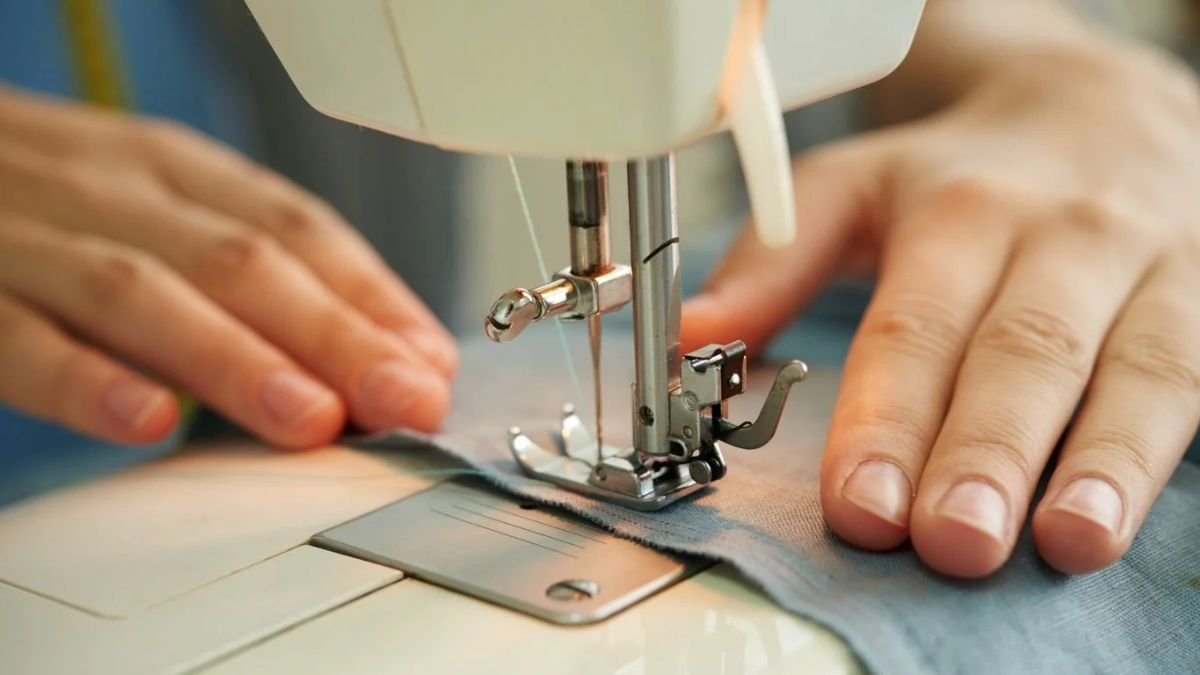
Are you ready to elevate your sewing skills? One of the most crucial aspects that can make or break your project is the choice of nahttypen, or seam types. Whether you’re stitching a delicate blouse, crafting a sturdy bag, or piecing together a quilt, understanding how different stitches work with various fabrics can transform your creations from ordinary to extraordinary. Dive into the world of nahttypen and discover how selecting the right stitch not only enhances durability but also adds charm and character to your fabric projects. Let’s explore this essential aspect of sewing together!
What is Nahttypen?
Nahttypen, the German term for seam types, refers to various stitching methods used in sewing. Each nahttyp has a unique purpose and aesthetic appeal. Understanding these stitches is essential for achieving professional results in your projects.
Sewing isn’t just about fabric; it’s also about how those pieces come together. Different nahttypen can impact the durability, elasticity, and overall look of your finished garment or item.
From basic straight stitches to more complex zigzag or decorative options, each stitch serves its own function. Some are designed for strength while others prioritize flexibility or design flair.
Mastering nahttypen allows you to tailor your approach based on fabric type and project requirements. Whether you’re working with light cottons or heavy denims, knowing which stitch to use makes all the difference in quality craftsmanship.
The Importance of Choosing the Right Stitch for Your Fabric
Choosing the right stitch for your fabric is crucial in sewing. It affects the durability and appearance of your finished project. Different fabrics have unique qualities. A delicate chiffon requires a lighter touch compared to sturdy denim. The wrong stitch can lead to puckering or tearing.
Consider functionality as well. Stretchy materials, like knits, benefit from zigzag stitches that allow for movement without breaking seams. Conversely, woven fabrics often do best with straight stitches.
A well-chosen stitch enhances not just strength but also aesthetic appeal. Neat stitching elevates any garment or craft piece, making it look polished and professional.
Remember that selecting a proper nahttypen goes beyond mere preference; it’s about ensuring longevity in wear and use. Each project deserves careful attention to detail for optimal results.
Common Types of Fabrics and Their Recommended Stitches
Cotton is a staple in sewing due to its versatility. For cotton fabrics, a straight stitch works wonders, providing durability and a clean finish.
Silk, on the other hand, requires more care. A small zigzag stitch can help prevent fraying while allowing for some stretch. It’s best to use fine needles here.
For knits, opt for a stretch stitch or serger method. These options accommodate the fabric’s elasticity without breaking seams during wear. Denim demands strength; therefore, using a double-stitched seam reinforces those high-stress areas effectively.
When working with chiffon or lightweight materials, consider French seams for an elegant look that hides raw edges beautifully. Each fabric has its personality—choosing the right nahttypen elevates your project significantly.
How to Determine the Best Stitch for a Specific Fabric
Understanding the characteristics of your fabric is essential. Different materials have unique properties that influence stitch selection.
For instance, lightweight fabrics like chiffon require delicate stitches to prevent puckering. A French seam or a narrow zigzag stitch works well here, ensuring a clean finish without adding bulk.
On the other hand, heavier fabrics such as denim demand more robust stitches. A straight stitch with a longer length provides strength and durability for seams under stress.
Consider the stretch factor too. Knit fabrics benefit from zigzag or serger stitches to allow for movement without breaking threads.
Always test on scrap material before committing to your final piece. This extra step helps you see how different stitches interact with your chosen fabric, guiding you toward the best decision for your project’s success.
Tips for Sewing with Different Nahttypen
When working with various nahttypen, it’s essential to understand the nuances of each stitch type. Start by selecting the right needle; it can make a significant difference in your sewing experience.
Always test on scrap fabric before diving into your project. This helps you gauge how the stitch interacts with your chosen material and ensures compatibility.
Adjusting thread tension is another critical tip. Different fabrics may require unique settings for optimal results. Take time to experiment until you find that sweet spot.
Don’t forget about using appropriate presser feet designed for specific stitches. They help guide the fabric correctly, ensuring even stitching throughout your work.
Keep an eye on your speed while sewing. Slower speeds allow for better control, especially when navigating curves or handling delicate materials like silk or chiffon.
Alternative Methods to Consider When Choosing a Stitch
When selecting a stitch, it’s essential to explore alternative methods that might suit your project. One option is the use of decorative stitches. These can add flair and personality while providing functional benefits.
Another method involves hand stitching for delicate fabrics. It allows for greater control and precision, ensuring you don’t damage fragile materials.
Consider using basting or temporary stitches as well. They can hold fabric in place before committing to a permanent seam, saving you time on adjustments.
In some cases, fusible bonding tape offers an innovative approach without traditional sewing. This adhesive solution works wonders for quick fixes or projects where you want to avoid visible seams entirely.
Experimenting with these alternatives not only broadens your skill set but also opens up new creative avenues in your sewing journey. Each technique has its unique advantages, making it worthwhile to consider them all.
Find Your Perfect Nahttypen and Enhance Your Sewing Projects
Finding your perfect nahttypen can transform your sewing experience. It’s about matching the right stitch to your fabric, ensuring durability and aesthetic appeal.
Start by experimenting with different stitches on scrap pieces of fabric. This hands-on approach helps you understand how each stitch interacts with various materials. You might discover that a straight stitch works wonders on cotton, while a zigzag is ideal for knits.
Don’t shy away from specialty stitches either. From decorative options like scallops to functional ones such as flat-felled seams, these variations can elevate your projects significantly.
Pay attention to thread tension and needle type as well; they play crucial roles in achieving neat seams. The better aligned these elements are, the more professional your finished piece will appear.
Conclusion
Choosing the right nahttypen is essential for achieving high-quality results in your sewing projects. By understanding the various seam types and how they interact with different fabrics, you can elevate your creations from basic to professional.
Experimenting with different stitches can not only enhance durability but also add an aesthetic touch to your work. Each fabric has its unique characteristics, and the appropriate stitch can make all the difference in how it behaves during wear and washing.
Whether you’re working with delicate silks or sturdy denims, being mindful of your fabric’s needs will lead to more satisfying outcomes. Embrace these insights as you navigate through various nahttypen, making each project a delightful journey of creativity and skill development. Happy sewing!
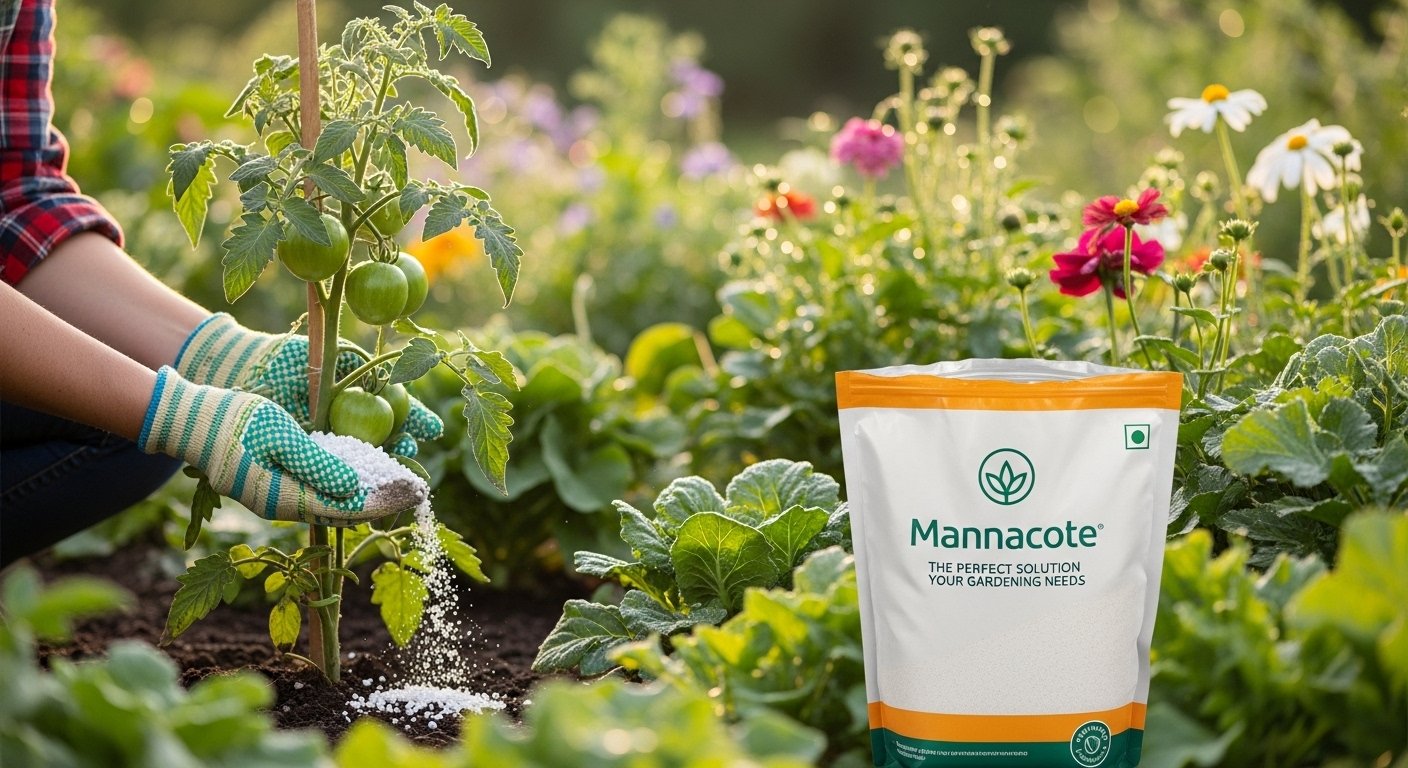
Gardening is more than just a hobby; it’s a passion that connects us with nature. But let’s be honest—sometimes our green thumbs need a little extra help. Enter Mannacote, the gardening solution you didn’t know you were missing. If you’re looking to boost your garden’s productivity without the hassle of traditional fertilizers, you’re in for a treat. This innovative product promises to transform your soil and enhance plant growth while being environmentally friendly. Curious about how Mannacote can elevate your gardening game? Let’s dig deeper into what makes this product stand out from the crowd!
What is Mannacote?
Mannacote is a premium organic fertilizer designed specifically for gardening enthusiasts. It combines natural ingredients that enhance soil quality and promote healthy plant growth.
This unique product offers slow-release nutrients, ensuring plants receive nourishment over an extended period. It eliminates the need for frequent applications, making gardening simpler and more efficient.
What sets Mannacote apart is its balanced composition. It includes essential macro and micronutrients crucial for vibrant blooms and robust foliage. Gardeners appreciate how it boosts the overall health of their plants while minimizing environmental impact.
Using Mannacote means embracing a sustainable approach to gardening. Its formulation supports both immediate plant needs and long-term soil vitality, creating a harmonious growing environment in any garden space.
Benefits of using Mannacote for gardening
Mannacote provides a rich source of nutrients that plants crave. Its slow-release formula ensures that these essential elements are available over an extended period, promoting steady growth.
Using Mannacote means feeding your plants consistently without the risk of burning them. This makes it ideal for gardeners who want to see healthy blooms and robust foliage without the hassle.
Another benefit is its versatility. Whether you’re tending to vegetables, flowers, or shrubs, Mannacote adapts well to different plant types and soil conditions.
Its water retention properties also help in maintaining moisture levels in the soil. This leads to healthier root systems and reduces the frequency of watering required.
Moreover, gardeners appreciate how convenient Mannacote is. There’s no need for complicated mixing or frequent applications; just apply it once during planting for long-lasting benefits.
How to use Mannacote in your garden
Using Mannacote in your garden is straightforward and effective. Start by preparing your soil. Ensure it’s loose and well-aerated for optimal nutrient absorption.
Sprinkle the recommended amount of Mannacote evenly across the surface of your garden bed. A little goes a long way, so be mindful not to overapply.
Next, gently rake the fertilizer into the top layer of soil. This helps incorporate it without disturbing plant roots too much.
Watering after application promotes nutrient activation. It allows those essential elements to penetrate deeper into the soil where plants can access them easily.
For potted plants, mix Mannacote with potting soil at planting time or use as a top dressing during growth periods. Just remember to adjust amounts according to planter size and type of plants you’re nurturing.
Observe how your plants respond over time; you’ll likely notice vibrant growth and blooming soon!
Success stories from users of Mannacote
Gardeners across the country have shared inspiring stories about their experiences with Mannacote. One user in California transformed a struggling vegetable patch into a thriving oasis, crediting Mannacote for its vibrant growth and lush produce.
Another customer from New York reported that her flower garden flourished like never before after incorporating Mannacote into her routine. The colors were more vivid, and the blooms lasted longer than she could have imagined.
A family in Texas noticed an immediate improvement in their lawn’s health after applying Mannacote. They found it not only easy to use but also effective at promoting robust grass without harmful chemicals.
These success stories highlight how diverse users can achieve amazing results with this unique gardening solution. Each experience adds to the growing community of satisfied gardeners who continue to embrace Mannacote as a staple in their gardening toolkit.
Common misconceptions about using fertilizer and how Mannacote addresses them
Many gardeners hesitate to use fertilizers due to misconceptions surrounding their safety and effectiveness. One common belief is that all fertilizers harm the environment. This isn’t true for Mannacote, which offers a sustainable approach.
Another misconception is that more fertilizer equals better growth. In reality, over-fertilizing can damage plants and soil health. Mannacote provides a slow-release formula designed for optimal nutrient delivery without overwhelming your garden.
Some also worry about harmful chemicals in traditional fertilizers affecting their families or pets. Mannacote uses natural ingredients, making it safer while promoting healthy plant development.
Some think using fertilizer requires advanced knowledge and skills. With user-friendly application process, even novice gardeners can achieve beautiful results effortlessly no green thumb needed!
Sustainable and eco-friendly features of Mannacote
Mannacote stands out in the gardening world for its sustainable and eco-friendly attributes. Crafted from natural ingredients, it promotes plant health without harming the environment.
This fertilizer is designed to release nutrients gradually. This slow-release mechanism reduces waste and ensures that plants receive essential elements over time. It minimizes nutrient runoff, which can pollute local waterways.
Additionally, is free of synthetic chemicals and harmful additives. Gardeners can use it with confidence, knowing they’re nurturing their gardens while protecting wildlife.
Choosing means embracing a holistic approach to gardening. By using this product, you contribute to soil health and promote biodiversity in your garden ecosystem.
The packaging is also environmentally conscious, allowing users to reduce their carbon footprint further. With every scoop of Mannacote, gardeners support sustainability while cultivating lush landscapes.
Recommendations for incorporating Mannacote into your gardening routine
To seamlessly integrate Mannacote into your gardening routine, start by conducting a soil test. Understanding the nutrient levels in your soil will help you determine how much to apply.
Apply it during the early spring when plants are waking up from dormancy. This sets them up with essential nutrients as they begin their growth cycle.
Consider using Mannacote alongside other organic practices, such as composting or mulching. This combination can enhance soil health and promote robust plant growth.
For container gardens, mix into your potting mix for optimal results. It provides long-lasting nourishment without overwhelming sensitive roots.
Regularly monitor plant health after application. Adjust future applications based on performance to tailor your approach effectively.
Share your experiences with fellow gardeners! Engaging with others can inspire new ideas and methods to maximize the benefits of Mannacote in diverse gardening scenarios.
Conclusion
Mannacote stands out as a versatile and effective solution for your gardening needs. Its unique formulation provides numerous benefits, from promoting healthy plant growth to enhancing soil quality. Users have reported remarkable improvements in their gardens after incorporating into their routines.
By addressing common misconceptions about fertilizers, redefines what it means to nourish plants sustainably. The eco-friendly features of this product align well with modern gardening practices that prioritize environmental health.
Incorporating Mannacote into your gardening routine is straightforward and rewarding. Whether you’re an experienced gardener or just starting out, the results speak for themselves. Embrace the potential of your garden by giving a try today your plants will thank you!
-

 Law3 months ago
Cnlawblog: Your Go To Resource for Legal Updates
-

 Technology3 months ago
Hypackle: Revolutionizing Team Communication in the Digital Age
-

 Blog3 months ago
NHentai.nef: The Ultimate Resource for Doujinshi Enthusiasts
-

 Digital Marketing3 months ago
Troozer com: Your Ultimate Guide to Online Shopping
-

 Blog3 months ago
LexatSmallville: Intersection of Friendship and Rivalry in Smallville
-

 Blog3 months ago
Lufanest: How It Influences Culture and Society Today
-

 Lifestyle3 months ago
Itzhak ezratti wife: A Journey of Love and Resilience
-

 Technology3 months ago
Miuzo: The Next Big Thing in Digital Innovation