
Food
Sodziu: A Journey Through Its Flavors and History


Sodziu is more than just a dish; it’s an experience steeped in rich flavors and captivating history. As you embark on this culinary journey, you’ll discover how each bite tells a story that spans generations. From its humble beginnings to the vibrant variations found across regions, sodziu has carved out a special place in the hearts of food lovers around the globe.
Imagine savoring spices that dance upon your palate, aromas that evoke memories of family gatherings, and traditions passed down through time. Whether you’re a seasoned foodie or someone looking to explore new tastes, understanding sodziu will deepen your appreciation for this remarkable cuisine.
What is Sodziu?
Sodziu is more than just a dish; it’s an experience steeped in rich history and vibrant flavors. At its core, Sodziu embodies the essence of culinary tradition, combining various ingredients to create something truly special.
This delectable dish often features a harmonious blend of local produce, spices, and meats. Each bite offers a taste that transports you through time and place.
The preparation methods can vary widely but always reflect respect for cultural heritage. Whether slow-cooked or simmered gently, every technique aims to enhance the natural flavors.
Sodziu isn’t just food; it’s a story on your plate a narrative that connects generations through shared meals. It’s about community gatherings and family celebrations where this beloved dish takes center stage. Discovering Sodziu opens up avenues to explore traditions that are both ancient and modern, all encapsulated within each serving.
The Origins of Sodziu
Sodziu traces its roots back to ancient culinary traditions. Its origins are steeped in the rich tapestry of cultural exchanges among various communities.
Historically, this dish emerged from rural kitchens where families relied on locally sourced ingredients. The methods were simple yet effective, often passed down through generations.
Farmers and local foragers played crucial roles in shaping Sodziu’s character by introducing unique flavors and textures over time. Each region brought something special to the table.
The dish reflects not just sustenance but also a way of life one that values community and shared experiences around food. As it evolved, Sodziu became more than just a meal; it transformed into a symbol of heritage and pride for many cultures worldwide.
Traditional Ingredients and Cooking Methods
Sodziu thrives on its traditional ingredients. Key players include fresh vegetables, grains, and locally sourced proteins. Each ingredient adds depth to the dish.
Cooking methods are just as crucial. Many chefs still rely on time-honored techniques passed down through generations. Slow cooking is a favorite, allowing flavors to meld beautifully over hours.
The use of clay pots or stone ovens enhances the taste profile of Sodziu, infusing it with unique aromas that modern appliances simply cannot replicate.
Herbs and spices play a vital role too often freshly picked from gardens. They elevate each bite, creating a symphony of flavors that dance on the palate.
These elements together craft not just food but an experience steeped in culture and history. Enjoyment comes from understanding how these traditional practices shape every bowl of Sodziu served at your table.
Regional Variations of Sodziu
Sodziu has a rich tapestry of flavors that varies widely across regions. Each locality adds its unique twist to this beloved dish, reflecting local ingredients and cooking traditions.
In the coastal areas, seafood often takes center stage. Fresh fish and shellfish blend seamlessly with traditional spices, creating a lighter version of sodziu. The salty breeze seems to infuse each bite with an extra layer of flavor.
Moving inland, you’ll find heartier variations featuring meats like lamb or beef. These versions are typically slow-cooked, allowing the robust flavors to meld over time. This regional adaptation speaks to the agricultural practices prevalent in these communities.
Even within cities, different neighborhoods might boast their own take on sodziu. Family recipes passed down through generations create diverse interpretations that showcase cultural nuances and personal preferences. Every plate tells a story steeped in tradition yet open to innovation.
Modern Interpretations of Sodziu
Modern chefs are breathing new life into sodziu. They experiment with fusion cuisine, blending traditional flavors with unexpected ingredients.
Some restaurants now incorporate local spices or contemporary cooking techniques. This creates a new taste experience while respecting the original essence of sodziu.
Vegan and gluten-free versions have emerged as well. Chefs use plant-based ingredients to craft dishes that cater to diverse dietary needs without sacrificing flavor.
Artistic presentation has also become a hallmark of modern sodziu dishes. The vibrant colors and textures entice diners before they even take their first bite.
Pop-up events and food festivals showcase these innovations, allowing enthusiasts to explore various interpretations in one sitting. Each twist adds another layer to the rich tapestry that is sodziu today, inviting both nostalgia and curiosity for newcomers alike.
Health Benefits of Sodziu
Sodziu is not just a culinary delight; it also brings several health benefits to the table. Rich in spices, this dish often includes ingredients like turmeric and ginger, known for their anti-inflammatory properties. These elements can help boost immunity and reduce chronic inflammation.
The fresh vegetables commonly used in sodziu offer an array of vitamins and minerals. They contribute to overall well-being while providing essential nutrients needed for daily life.
Moreover, the balanced combination of proteins from meats or legumes promotes muscle health and supports metabolism. Eating sodziu can be a hearty way to keep your body energized throughout the day.
Enjoying sodziu fosters mindful eating practices. Its complex flavors encourage slower consumption, allowing you to savor each bite while promoting better digestion.
The Cultural Significance of Sodziu
Sodziu is more than just a dish; it embodies the heart and soul of the communities that cherish it. Traditionally served during festivals and family gatherings, fosters togetherness and celebration. Each bite carries stories passed down through generations.
The preparation of Sodziu often involves communal cooking, where friends and family come together to share in both labor and joy. This collaborative spirit strengthens bonds among participants, turning every meal into a shared experience.
In many cultures, Sodziu symbolizes hospitality. Offering this flavorful delight to guests reflects warmth and generosity. It invites strangers into homes as cherished friends.
Artisans also play a vital role with their unique twists on recipes that reflect local customs or seasonal ingredients—making each plate not just food but art steeped in meaning. Through these traditions, Sodziu continues to weave itself into the cultural tapestry of regions worldwide.
Tips for Enjoying the Full Experience of Sodziu
To truly savor sodziu, start by choosing the right setting. A cozy atmosphere enhances flavors and invites conversation. Gather friends or family to share in the experience—food is meant to be enjoyed together.
Pair your with traditional side dishes that complement its taste. Fresh salads, pickled vegetables, or a warm flatbread can elevate the meal further.
Take time to appreciate each bite. Notice the textures and aromas as you indulge in this culinary delight. Savoring allows you to connect with its rich heritage.
Consider trying different types of beverages alongside your sodziu. From regional wines to herbal teas, drinks play an essential role in balancing flavors.
Don’t rush through your meal; linger over conversations and enjoy the moments spent around the table. This creates lasting memories tied not only to food but also to friendship and culture.
Where to Find Authentic Sodziu Around the World
If you’re eager to taste authentic sodziu, your journey can begin in its homeland. Regions known for traditional culinary practices offer the most genuine experiences. Look for local markets and family-run eateries that have been around for generations.
Traveling beyond borders? Cities with significant cultural diversity often feature restaurants specializing in regional dishes. Seek out establishments run by chefs who hail from areas renowned for their expertise.
Festivals celebrating heritage foods frequently showcase this dish as a highlight. Participate in food fairs or cultural events where you can sample various interpretations of sodziu made by passionate cooks.
Online platforms also help connect food enthusiasts with local specialties worldwide. Consider joining social media groups dedicated to culinary exploration; members often share hidden gems serving exceptional right at your doorstep!
Conclusion
Sodziu is more than just a dish; it’s an experience steeped in tradition and flavor. From its rich history to the diverse ingredients that come together in every bowl, has captured hearts worldwide. As you explore this culinary gem, consider trying different regional variations that showcase local flavors and customs.
For those looking to savor sodziu at its finest, pay attention to the cooking methods used by traditional chefs. Whether enjoyed at home or in a bustling restaurant, each bite tells a story of culture and heritage.
As health-conscious choices gain popularity, the benefits of are becoming more widely recognized. Packed with nutrients from its wholesome ingredients, it can be both satisfying and nourishing.
If you’re keen on experiencing sodziu authentically, seek out reputable establishments known for their commitment to tradition. This journey into flavors will surely leave you enriched and full of appreciation for this unique dish.
Food
Natural Green Food Color and Natural Food Colors: The Growing Shift Toward Plant-Based Pigments

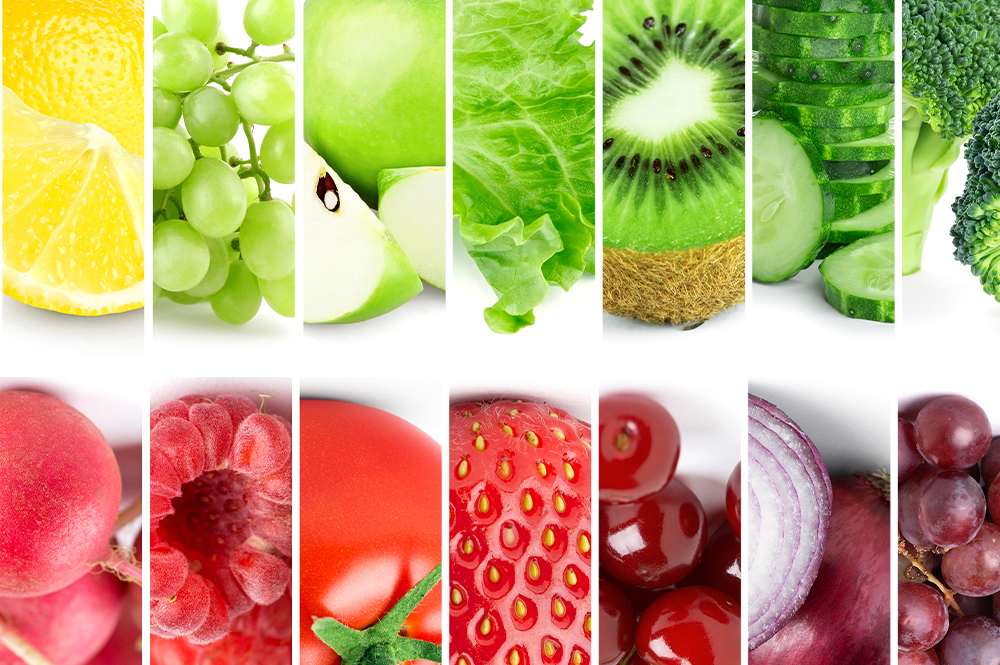
Color influences how food is perceived long before it is tasted. A vibrant green dessert suggests freshness, a rich yellow sauce signals warmth, and a deep red beverage hints at bold flavor. As consumers increasingly examine ingredient lists, the demand for natural food colors continues to rise. Among these, natural green food color holds particular importance due to its strong association with plant-based ingredients, freshness, and health-forward positioning.
The movement toward natural pigments reflects a broader shift in food formulation — one that prioritizes transparency, familiarity, and sustainability.
What Are Natural Food Colors?
Natural food colors are pigments derived from naturally occurring sources such as fruits, vegetables, algae, spices, and edible plant materials. Instead of being synthetically manufactured, these pigments are extracted, purified, and processed to make them suitable for food applications.
Common sources of natural pigments include:
- Turmeric for yellow tones
- Beetroot for red and pink shades
- Paprika for orange hues
- Spirulina for blue pigments
- Leafy greens for green coloring
The increased use of natural food colors is largely driven by consumer awareness. Clean-label trends, ingredient transparency, and the desire for recognizable sources have encouraged manufacturers to explore plant-based alternatives to artificial dyes.
While synthetic colors often provide strong intensity and stability, natural pigments are valued for their origin and alignment with modern product positioning strategies.
Understanding Natural Green Food Color
Natural green food color is typically derived from plant-based pigments such as chlorophyll or algae-based extracts. Chlorophyll is the compound responsible for photosynthesis in plants and gives leaves their characteristic green appearance.
When extracted and stabilized, these pigments can be used across a variety of food products. Depending on formulation, natural green food color can produce shades ranging from soft pastel greens to vibrant, eye-catching tones.
Common sources include:
- Spinach or leafy plant extracts
- Alfalfa-based pigments
- Spirulina-derived compounds
- Other botanical concentrates
Green coloring is especially popular in products where freshness, herbal notes, or plant-based identity are emphasized.
Applications of Natural Green Food Color
Within the broader category of natural food colors, green pigments serve a unique role. They are widely used in:
- Confectionery and decorative icings
- Ice creams and dairy alternatives
- Beverages and smoothies
- Pasta, sauces, and savory products
- Nutritionally positioned snack items
Green shades are often associated with vitality and natural ingredients, making natural green food color particularly suitable for plant-based or wellness-focused product lines.
In many cases, green pigments are also blended with other natural colors to create customized shades.
Formulation Challenges with Natural Food Colors
Although the appeal of natural food colors is clear, their use involves technical considerations. Green pigments are especially sensitive to environmental conditions.
Key challenges include:
- Heat sensitivity that may alter shade intensity
- pH changes that affect color stability
- Light exposure leading to fading
- Batch-to-batch variation in raw materials
For natural green food color, maintaining a bright and stable hue requires careful processing and formulation controls. Manufacturers often invest in research and stabilization techniques to ensure consistent performance throughout shelf life.
These challenges explain why transitioning from synthetic to natural pigments is a strategic formulation decision rather than a direct replacement.
Why Natural Food Colors Continue to Gain Importance
The growing relevance of natural food colors is tied to broader changes in consumer expectations. Ingredient familiarity and sourcing transparency are increasingly influencing purchasing decisions.
Advancements in extraction technologies and pigment stabilization are helping improve the functionality of natural alternatives. As these innovations continue, natural green food color and other plant-based pigments are becoming more adaptable across diverse food categories.
Rather than being a temporary trend, the shift toward nature-derived color solutions reflects a deeper transformation in how visual appeal, trust, and ingredient awareness intersect.
Conclusion
The increasing demand for natural food colors signals a changing approach to food formulation — one that values transparency and recognizable sources. Within this movement, natural green food color plays an important role by offering plant-based green shades that align with freshness and botanical identity.
Although technical challenges remain, ongoing innovation is expanding the possibilities for stable, vibrant natural pigments. As consumer awareness continues to evolve, naturally sourced colors are likely to remain central to product development and food perception in the years ahead.
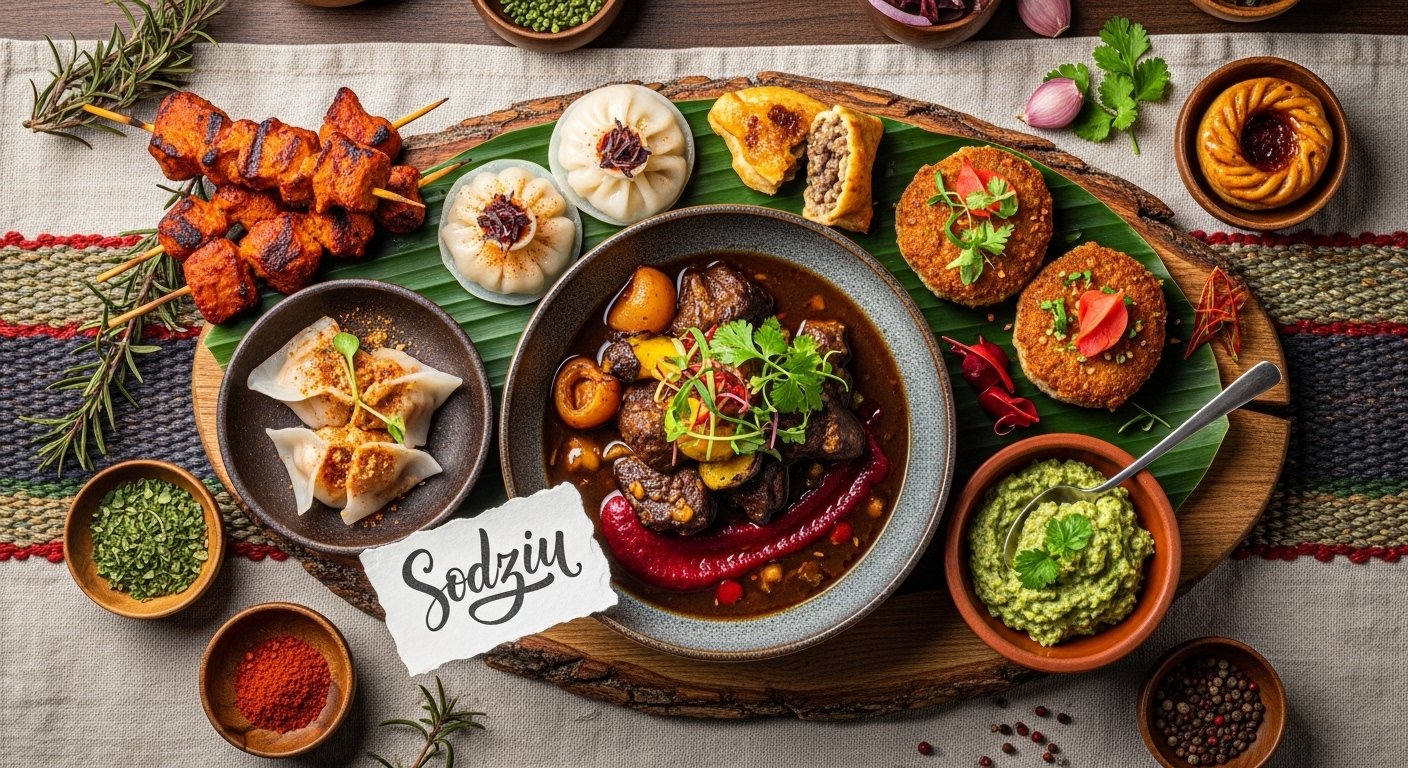
Nestled away from the bustling culinary hotspots, Sodziu is a hidden gem waiting to be discovered. This enchanting locale boasts a cuisine that blends tradition with flavor in ways you may have never experienced before. With each bite, Sodziu invites you on a journey through its rich history and vibrant culture. Whether you’re an adventurous foodie or simply looking to expand your palate, exploring the unique delicacies of Sodziu will leave you craving more. Get ready to dive into this exquisite world of flavors that promises surprises at every turn.
What is Sodziu?
Sodziu is not just a meal; it’s an experience that tantalizes the senses. Nestled away from mainstream culinary trends, this hidden gem boasts a rich tapestry of flavors and traditions.
At its core, Sodziu reflects the heart and soul of its community. It’s a celebration of local ingredients and age-old recipes passed down through generations. Each dish tells a story, connecting people to their roots in every bite.
The cuisine embraces variety, catering to different palates while staying true to its heritage. From hearty stews to delicate pastries, Sodziu offers something for everyone seeking authenticity in their dining adventures.
With communal meals often at the center of gatherings, food plays an integral role in fostering connections among friends and family. This makes Sodziu more than just what you eat; it’s about sharing moments that linger long after the plates are cleared.
The History and Culture of Sodziu Cuisine
Sodziu cuisine is deeply rooted in its rich history and vibrant culture. This culinary gem reflects the traditions of a community that has thrived for centuries, blending flavors and techniques passed down through generations.
Historically, Sodziu was influenced by neighboring regions, absorbing spices and cooking methods along trade routes. Each dish tells a story—one of migration, adaptation, and resilience.
Culturally, food plays a central role in social gatherings. Festivals often highlight traditional dishes that bring families together. The preparation itself becomes an art form, showcasing local heritage.
Ingredients are sourced from nearby farms and markets. Seasonal produce features prominently in many recipes.
This connection to the land enhances not just flavor but also fosters pride within the community. In every bite of Sodziu cuisine lies a narrative woven with love, history, and cultural identity—a testament to its enduring legacy.
Ingredients Used in Sodziu Cooking
Sodziu cuisine thrives on fresh, local ingredients. The region’s farmers produce vibrant vegetables that are staples in everyday dishes. Root vegetables like beets and potatoes often take center stage.
Herbs play a crucial role too. Dill, parsley, and chives add a burst of flavor to many meals. These herbs are not just for taste; they reflect Sodziu’s connection to nature.
A variety of meats is commonly used as well. Chicken, pork, and game meats showcase the area’s rich hunting traditions. Each type brings its own unique essence to traditional recipes.
Dairy products have their place too—creamy cheeses and thick yogurt enrich several dishes. They provide texture while balancing flavors perfectly.
Grains such as barley or buckwheat serve as hearty bases for many meals. This combination creates plates that tell stories through each bite.
Popular Dishes of Sodziu Cuisine
Sodziu cuisine boasts an array of popular dishes that tantalize the taste buds. One standout is *Mushroom Pilaf*, a fragrant rice dish enriched with wild mushrooms and aromatic spices, reflecting the region’s earthy flavors.
Another favorite is *Spiced Lamb Stew*. This hearty meal simmers tender lamb with a medley of vegetables, showcasing Sodziu’s knack for blending robust tastes. It’s often enjoyed during special occasions and family gatherings.
Don’t overlook *Herb-Stuffed Dumplings*, which are filled with fresh herbs and seasoned meats. These dumplings are delicate yet bursting with flavor, offering a delightful balance in every bite.
There’s the famous *Crispy Fish Wraps*. Wrapped in local greens and served with zesty sauces, they embody freshness while highlighting Sodziu’s coastal influence. Each dish tells a story of tradition intertwined with local ingredients, inviting everyone to experience its culinary magic.
The Unique Flavors and Tastes of Sodziu Dishes
Sodziu dishes are a delightful tapestry of flavors that reflect the region’s rich culinary heritage. Each meal tells a story through its unique combination of ingredients and cooking methods.
Savory spices play a key role in creating vibrant profiles. Cumin, coriander, and saffron infuse warmth, while fresh herbs bring brightness to every bite. The balance between earthy and aromatic notes sets Sodziu cuisine apart from others.
Textures also contribute to the experience. Crispy fried elements contrast with tender stews, providing an exciting mouthfeel that keeps diners engaged.
The use of local produce enhances freshness, making each dish not just tasty but also seasonal and sustainable. From farm to table, Sodziu celebrates its agricultural roots with pride.
Sweet endings often surprise guests as well—think honey drizzled over spiced pastries or fruit compotes bursting with flavor. Each dessert is crafted to leave a lasting impression and encourage another visit for more delectable delights.
How to Prepare Traditional Sodziu Meals at Home
Preparing traditional Sodziu meals at home is an exciting journey into a world of rich flavors. Start by gathering fresh, local ingredients that are essential to Sodziu cuisine. Seasonal vegetables, aromatic herbs, and unique spices play a crucial role in creating authentic dishes.
Begin with simple recipes like Sodziu stew. It combines tender meats with vibrant veggies simmered in flavorful broth. Focus on balancing tastes—sweetness from root vegetables complements the savory elements beautifully.
Don’t overlook the importance of presentation; serve your meals in rustic bowls for an authentic touch. Experimenting with textures can elevate your dish; try adding crispy elements alongside soft ones.
Enjoy the process! Cooking should be about exploration and connecting with culture. Invite friends or family to join you and share stories while preparing these delightful meals together.
Where to Find the Best Restaurants for Sodziu Cuisine
When searching for the best restaurants serving sodziu cuisine, start your journey in local neighborhoods. These hidden gems often showcase authentic flavors and traditional cooking methods.
Look for family-run establishments that have been passed down through generations. Their menus likely reflect recipes perfected over time.
Don’t miss out on food festivals where sodziu dishes take center stage. Here, you can sample various specialties while mingling with passionate cooks and fellow food lovers.
Social media is a powerful tool too; follow local influencers who share their culinary adventures. They often highlight lesser-known eateries worth exploring.
Consider joining online forums or groups dedicated to regional cuisines. Members frequently share recommendations that lead to unforgettable dining experiences filled with sodziu delights.
Exploring the Hidden Gems of Sodziu: Local
Sodziu is a treasure trove for food lovers. Nestled away from the bustling streets, local eateries offer an authentic taste of its culinary heritage. Each restaurant tells a story through its dishes.
One hidden gem is a quaint family-run establishment known for its traditional recipes passed down through generations. The warm ambiance and welcoming staff create an unforgettable dining experience.
Another spot is a vibrant market stall where locals gather daily. Here, you can savor fresh ingredients transformed into mouthwatering street food classics.
Don’t overlook the artisanal bakeries either; their pastries showcase unique regional flavors that are hard to resist.
Exploring Sodziu means indulging in local traditions while discovering new tastes at every corner. Whether it’s a cozy café or an open-air eatery, this culinary journey will leave your palate craving more.
Conclusion
Sodziu offers a remarkable culinary experience that many have yet to discover. Its rich history and culture are reflected in each dish, making it not just food but a journey through tradition and heritage. The unique ingredients used elevate the flavors, while popular dishes tantalize taste buds with their extraordinary combinations.
For those looking to bring Sodziu’s authentic tastes into their own kitchens, traditional recipes provide an excellent starting point. And for anyone eager to explore this hidden gem further, local restaurants serve as gateways to satisfying your cravings and expanding your palate.
As you venture into the world of Sodziu cuisine, be prepared for a delightful adventure filled with vibrant flavors and unforgettable meals waiting to be savored.
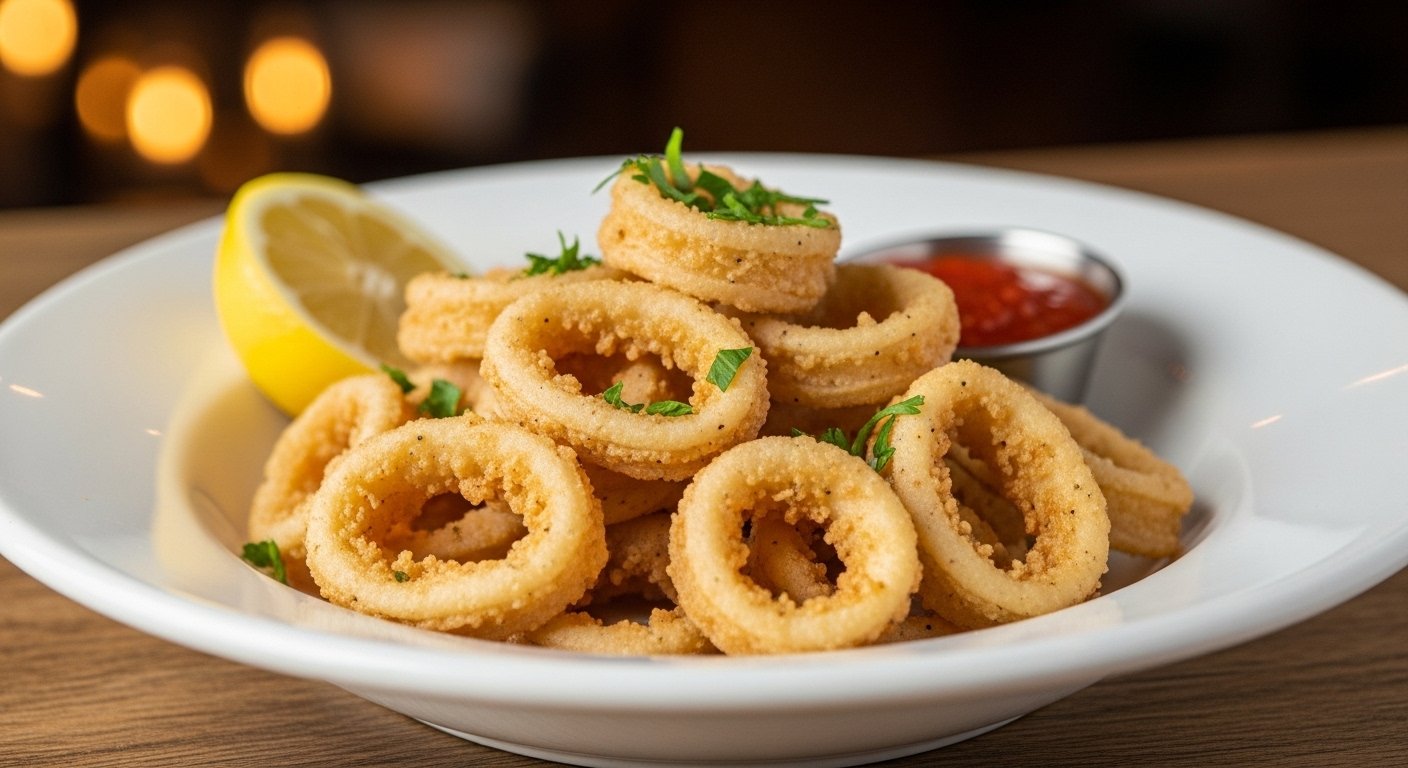
If you’re on the lookout for a culinary gem that can elevate your dining experience, look no further than calamariere. This delightful ingredient is not just another addition to your pantry; it’s a ticket to exploring new flavors and textures that will tantalize your taste buds. Imagine tender morsels bursting with flavor, ready to be incorporated into an array of dishes that dazzle both the eye and palate. Whether you’re an adventurous home cook or someone who enjoys trying out unique ingredients, calamariere deserves a spot in your kitchen repertoire. Let’s dive deeper into what makes this delicacy so special!
What is Calamariere?
Calamariere is a delightful culinary gem that brings the ocean to your plate. This dish typically features squid, known for its tender texture and subtle flavor.
What sets calamariere apart is not just the main ingredient but also its preparation and presentation. The squid is often sliced into rings or bursts of flavor, making it visually appealing as well as tasty.
Seasoned with a medley of spices, it can be grilled, fried, or sautéed to perfection. Each method infuses the calamari with unique tastes that tantalize your taste buds.
Whether served as an appetizer or part of a larger meal, calamariere captivates food lovers around the world. Its versatility allows chefs to get creative in pairing it with various sauces and sides.
History and Origin of Calamariere
Calamariere has a rich and intriguing history. It is believed to have originated in Mediterranean coastal regions, where fresh seafood was abundant. This dish highlights the culinary traditions of Italy, particularly from southern provinces.
The word “calamari” itself stems from the Italian term for squid. As fishermen brought their catches ashore, creative cooks began experimenting with different preparations. Over time, calamari evolved into various regional specialties.
In many cultures, calamariere represents more than just food; it reflects local customs and communal dining practices. Families would gather around tables to savor this delightful dish during celebrations or special occasions.
As globalization spread culinary influences across borders, calamariere found its way onto menus worldwide. Its versatility allows chefs to incorporate unique flavors while staying true to its origins rooted in simplicity and freshness.
Nutritional Benefits of Calamariere
Calamariere is not just a culinary delight; it also boasts impressive nutritional benefits. This unique ingredient is rich in protein, making it an excellent choice for those looking to boost their intake without the extra calories.
Packed with essential vitamins and minerals, calamariere contributes significantly to your daily dietary needs. It contains important nutrients like vitamin B12, which plays a crucial role in maintaining nerve health and producing red blood cells.
Additionally, calamariere provides omega-3 fatty acids. These beneficial fats support heart health and enhance brain function. Incorporating this ingredient into your meals can promote overall well-being.
Though low in fat, calamariere offers satiety that keeps you feeling full longer. Its versatility means you can enjoy it across various dishes while reaping its nutritional rewards.
How to Cook with Calamariere
Cooking with calamariere opens the door to a world of unique flavors and textures. Start by choosing fresh or dried calamariere, depending on your recipe.
If using dried varieties, soak them in water for about an hour until tender. This step is crucial for achieving that perfect bite.
For a simple yet delightful dish, sauté garlic and olive oil in a pan before adding cooked calamariere. Toss in some cherry tomatoes and spinach for color and nutrition. Let everything mingle over medium heat.
Another option is to incorporate it into soups or stews. The earthy flavor complements broths beautifully, enhancing the overall taste profile.
Don’t forget about salads! Chopped calamariere can add an unexpected twist when mixed with greens, nuts, and a zesty vinaigrette. Its versatility makes it easy to experiment while cooking at home be bold!
Popular Recipes featuring Calamariere
Calamariere shines in various dishes that highlight its unique flavor and texture. One popular recipe is calamariere fritti, where the mollusk is lightly battered and fried to perfection. This dish offers a crunchy exterior with a tender interior.
Another favorite is calamariere al pomodoro, featuring this delicacy simmered in a rich tomato sauce. Served over pasta or as part of a seafood stew, it brings an Italian flair to your dining experience.
For those seeking something fresh, consider grilled calamariere tossed with herbs and lemon juice. It’s simple yet bursting with flavor, perfect for warm evenings.
Try incorporating calamariere into salads for added protein. Pair it with mixed greens, olives, and citrus vinaigrette for a refreshing twist. Each recipe showcases how versatile and delicious calamariere can be across different cuisines.
Where to Find and Purchase Calamariere
Finding calamariere may require a little effort, but it’s well worth the hunt. Start at your local seafood market; many specialty fishmongers carry this delicacy.
If you don’t have a nearby market, check out online retailers. Websites specializing in gourmet and international foods often stock. Be sure to read reviews for quality assurance before making a purchase.
Ethnic grocery stores can also be treasure troves for unique ingredients like. Look for Mediterranean or Italian shops in your area these places are likely to offer authentic options.
Farmers’ markets sometimes feature fresh catches from local fishermen. Connecting with vendors can lead you straight to fresh calamariere that is sustainably sourced.
Consider visiting restaurants that highlight Mediterranean cuisine on their menu. They might be willing to share where they source their ingredients or even sell direct from the kitchen!
Tips for Preparing and Serving Calamariere Dishes
When preparing calamariere, freshness is key. Look for vibrant colors and firm texture when selecting your ingredients. Rinse them gently under cold water to remove any impurities before cooking. This ensures a clean flavor profile in your dishes.
For the best taste, marinate briefly with olive oil, lemon juice, and herbs like parsley or oregano. Just 30 minutes will enhance its natural flavors without overpowering them.
Cooking methods can vary; grilling adds a smoky depth while sautéing keeps it tender. Both options yield delicious results but require careful attention to avoid overcooking.
Serve calamariere alongside fresh greens or atop creamy polenta for an appealing presentation. A sprinkle of chili flakes can add a delightful kick if desired. Don’t forget to pair your dish with a crisp white wine its acidity balances the richness beautifully and elevates the dining experience further.
Why You Should Give Calamariere a Chance
Calamariere is an underrated gem in the culinary world. Its unique texture and flavor can elevate any dish you create. Imagine sinking your teeth into tender morsels that burst with freshness. The taste can transport you to coastal kitchens where seafood reigns supreme.
If you’re a fan of squid or octopus, will likely become a new favorite. It offers versatility, pairing wonderfully with various ingredients and cooking methods.
Additionally, it’s an excellent option for health-conscious eaters. Packed with protein and essential nutrients, adding this delicacy to your meals can boost both flavor and nutrition.
Experimenting with calamariere opens up endless possibilities in your kitchen. Whether grilled, sautéed, or added to stews, its adaptability shines through every time you cook with it. Why not challenge yourself? Step outside the ordinary and embrace this delightful ingredient for your next meal adventure!
Conclusion
Calamariere is not just a dish; it’s an experience waiting to be explored. Its unique flavor profile, rich history, and nutritional benefits make it a standout in the culinary world. Whether you’re looking for something new to add to your dinner table or seeking inspiration for your next gathering, offers endless possibilities.
By incorporating this delightful ingredient into your cooking repertoire, you open the door to numerous delicious recipes that can impress family and friends alike. From savory starters to hearty mains, has something for everyone.
Don’t hesitate to discover where you can purchase it locally or online. With some simple preparation tips and creative cooking methods under your belt, you’ll soon find yourself a fan of this remarkable dish. Now is the perfect time to give calamariere a chance in your kitchen and who knows? It might just become one of your favorite ingredients!
-

 Law3 months ago
Cnlawblog: Your Go To Resource for Legal Updates
-

 Technology3 months ago
Hypackle: Revolutionizing Team Communication in the Digital Age
-

 Blog3 months ago
NHentai.nef: The Ultimate Resource for Doujinshi Enthusiasts
-

 Digital Marketing3 months ago
Troozer com: Your Ultimate Guide to Online Shopping
-

 Blog3 months ago
LexatSmallville: Intersection of Friendship and Rivalry in Smallville
-

 Blog3 months ago
Lufanest: How It Influences Culture and Society Today
-

 Lifestyle3 months ago
Itzhak ezratti wife: A Journey of Love and Resilience
-

 Technology3 months ago
Miuzo: The Next Big Thing in Digital Innovation